
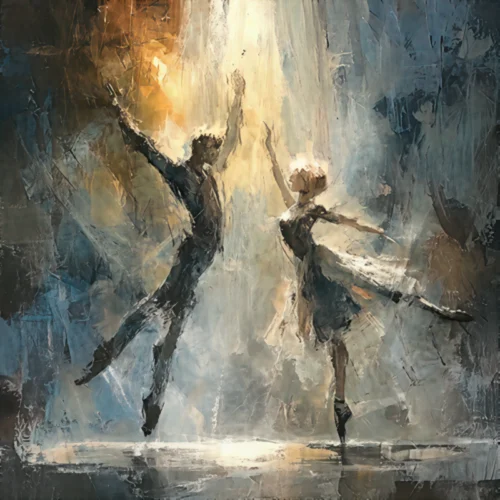
A collector pauses in front of a print and feels that familiar shift – the room falls away, and the image begins to pulse with its own atmosphere. That moment is the real starting point for the question, is digital photo art collectible. Not in theory, but in practice. Not as a category label, but as an experience of presence, authorship, and lasting visual power.
The short answer is yes. Digital photo art can absolutely be collectible. But collectibility does not come from the word digital alone, and it does not come from photography alone. It comes from artistic intention, originality, a clear point of view, and a finished work that holds its ground over time.
For many buyers, the hesitation is understandable. Digital processes are often associated with speed, endless reproduction, and image-making that feels more commercial than artistic. Yet that assumption misses what serious artists have been proving for years. A camera can be a beginning rather than an endpoint, and digital transformation can move an image far beyond documentation into interpretation, abstraction, memory, and mood. When that happens, the work enters the territory of fine art.
What makes digital photo art collectible?
Collectibility has always rested on more than medium. Oil painting is collectible, but not every oil painting becomes significant. Photography is collectible, but not every photograph carries artistic weight. The same is true here.
Digital photo art becomes collectible when it bears the unmistakable imprint of an artist’s mind. The source image may begin in the visible world, but what matters is what the artist does with it. Composition, color relationships, texture, gesture, atmosphere, and emotional charge all contribute to whether the work feels authored rather than merely produced.
That distinction matters. A decorative image may complement a wall. A collectible work changes the space around it. It creates tension, rhythm, or calm. It lingers in the eye. It reveals intention each time it is revisited.
Originality is central as well. In collectible digital photo art, the image is not simply filtered or polished into surface appeal. It is reimagined. The artist uses digital tools the way a painter uses brushwork or a printmaker uses the press – as a means of transforming material into expression. The result should feel inevitable, not automated.
Why the medium no longer disqualifies the art
There was a time when digital methods were treated with suspicion in fine art circles, as though technology diluted authenticity. That view has steadily weakened because it relies on a false hierarchy. Art is not diminished by the tool. It is diminished only when the tool replaces vision.
Collectors now live among contemporary forms. They understand that serious art can emerge from photography, digital layering, compositing, abstraction, and experimental printmaking. Museums, galleries, and private collections have already made that case. The conversation has shifted from whether digital belongs to how well a given artist uses it.
This shift is especially meaningful in photographic art. Traditional photography can capture a fleeting instant with extraordinary clarity. Digital photo art can do something different. It can translate reality into an impression, a memory, or a heightened emotional field. It can bend time, intensify color, and create movement where stillness once sat. For many collectors and designers, that expressive range is precisely the appeal.
Is digital photo art collectible if it can be reproduced?
This is where nuance matters. Reproducibility does not automatically weaken collectibility, but uncontrolled reproduction can. Fine art prints have long existed within collectible practice because artists establish boundaries around the work. Editioning, artist oversight, consistency of production, and the integrity of the final print all shape how the work is received.
A digitally created artwork may exist as a master file, yet that does not make every output equal. The collectible object is the realized print – the scale, paper, tonal depth, surface, and color fidelity chosen by the artist. That is where the artwork takes physical form and where its authority becomes tangible.
Collectors are not simply acquiring pixels. They are acquiring a finished expression of an artist’s vision. The print carries the discipline of selection. It reflects what was meant to be seen, how it was meant to feel, and how it was meant to live in space.
That said, not every digital print should be approached the same way. If an image is endlessly available in multiple forms with little artistic framing, it may function more as décor than as a collectible artwork. There is nothing inherently wrong with decorative art, but collectibility depends on distinction and intentionality.
Signs that digital photo art has lasting collector appeal
The strongest digital photo art usually announces itself quietly. It does not rely on novelty alone. Instead, it rewards repeated looking.
One sign is a recognizable artistic language. Across different subjects or collections, the work carries a coherent sensibility – perhaps a command of vivid color, an attraction to motion and blur, an instinct for dramatic contrast, or a way of turning florals, architectural fragments, or remembered places into something more lyrical than literal. That consistency gives collectors confidence that they are engaging with an artist’s body of work, not a series of disconnected effects.
Another sign is emotional resonance. Collectors and design professionals alike respond to work that does more than illustrate. They want art that can alter the feeling of an interior, create a focal point, and continue to reveal itself. A powerful digital photo artwork can feel atmospheric, immersive, even cinematic. It can hold sophistication without becoming cold.
Craft matters too. Print quality is not a finishing detail. It is part of the art itself. Rich blacks, luminous color, crisp or intentionally softened detail, and material choices that support the image all contribute to the authority of the piece. In gallery-caliber work, the print is never an afterthought.
Collectors and designers often look for the same thing
Although collectors and interior designers may speak in different terms, they often respond to similar qualities. Collectors may discuss authorship, editioning, and artistic significance. Designers may focus on mood, scale, palette, and how a piece anchors a room. Yet both are drawn to work with presence.
This is one reason digital photo art has become so compelling in contemporary interiors. It can offer the visual sophistication of fine art while bringing a striking sense of movement and atmosphere to a space. In the right hands, it feels neither clinical nor generic. It feels curated.
For design-conscious buyers, collectibility is not separate from livability. A collectible work should still inhabit a room beautifully. It should converse with architecture, light, and material. It should feel capable of carrying both emotional depth and decorative strength. The best digital photo art does exactly that.
Is digital photo art collectible when it is highly stylized?
Often, yes. In fact, stylization can strengthen collectibility when it reflects a mature artistic voice.
There is a difference between style and gimmick. A gimmick announces technique first and meaning second. A genuine style fuses technique with perception so completely that the work becomes unmistakable. If the stylization deepens the emotional life of the image, heightens its formal beauty, or transforms ordinary subject matter into something memorable, it can be a mark of artistic seriousness rather than excess.
This is where digitally reinterpreted photography can become especially persuasive. It has the ability to preserve a trace of the real world while opening into something more suggestive and expressive. A blossom can become an atmosphere. A landscape can become memory. A fragment of motion can become pure rhythm. That transformation is not a departure from art collecting. It is part of what makes collecting contemporary art so vital.
How to judge the work in front of you
If you are considering digital photo art for a collection or a carefully designed interior, begin with your eye, but do not stop there. Ask whether the work feels authored. Ask whether it carries a distinct visual language. Notice whether the image continues to unfold after the first impression.
Then consider the physical print. Does it feel resolved and intentional? Does the surface suit the image? Does the color feel alive rather than merely bright? Strong collectible work has a sense of finish that can be felt immediately, even before it is analyzed.
It also helps to look at the artist’s broader practice. A compelling body of work often signals depth, commitment, and a vision that extends beyond one successful image. Arthur Jacob Impressions, for example, is built around this very idea – photography transformed through imagination into expressive fine art that lives with intensity and grace in curated spaces.
The most useful question may not be whether the medium qualifies. It is whether the artwork stays with you. Collectibility begins there, in that subtle but unmistakable recognition that you are not simply seeing an image. You are encountering a vision with enough beauty, confidence, and emotional reverberation to deserve a lasting place on the wall.