
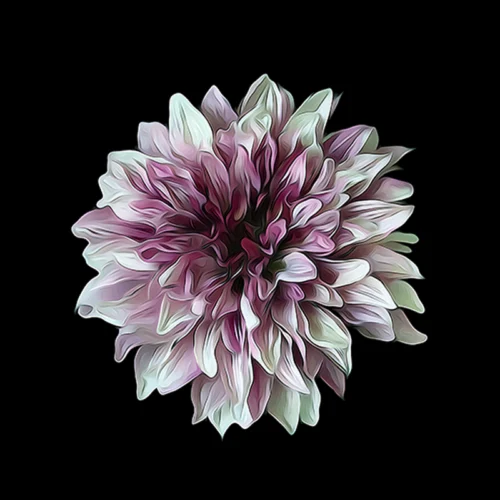
A striking photographic print can stop a room cold. Not because it merely shows something beautiful, but because it transforms seeing into feeling. That is the real question behind is photographic wall art collectible: not whether a camera was involved, but whether the finished work carries artistic authorship, presence, and lasting resonance.
For many buyers, photography still lives under an old assumption. A painting is collectible. A photograph is decorative. That distinction no longer holds, if it ever truly did. Contemporary photographic wall art can absolutely be collectible, but collectibility depends on what kind of work it is, how it is made, and how convincingly it asserts itself as art rather than visual filler.
Is photographic wall art collectible in the art world?
Yes, but not automatically.
The art world has long recognized photography as a serious medium. Museum collections, galleries, and private collectors have embraced photographic works for generations. Yet collectibility is not granted by medium alone. A photograph does not become collectible simply because it is printed large, framed beautifully, or placed in an elegant interior. It becomes collectible when it reflects a distinct artistic vision and when the object itself is presented with care, intention, and credibility.
That distinction matters. There is a vast difference between mass-produced wall decor and artist-driven fine art photography. One is made to fill space. The other is made to hold it.
Collectors and designers often respond to the same qualities, even if they speak about them differently. A collector may look for authorship, originality, and a recognizable point of view. A designer may focus on mood, scale, atmosphere, and visual impact in a room. The strongest photographic wall art satisfies both. It reads as a complete artwork while also shaping an interior with conviction.
What makes photographic wall art collectible?
Collectibility begins with artistic intent. The most compelling photographic works do more than document a subject. They reinterpret it. Through framing, light, color, movement, texture, or digital transformation, the artist creates an image that feels authored rather than merely captured.
This is where many buyers instinctively know more than they think. You can feel when a work has presence. It lingers. It changes as you live with it. It keeps offering new visual relationships – a tension between shadow and color, a softness against structure, a rhythm that feels almost musical. Collectible photographic art often has this layered quality. It reveals an imagination at work.
Originality is another essential factor. That does not mean the subject must be unfamiliar. Florals, landscapes, abstracts, architectural details, and remembered places have all been interpreted countless times. What matters is whether the artist brings a personal visual language to the image. Collectors are rarely chasing subject matter alone. They are drawn to a way of seeing.
Presentation also plays a role. Museum-style printing, thoughtful scale, and a refined finish reinforce that the work is meant to be experienced as art. The physical object matters. In photography especially, the final print is not an afterthought. It is the artwork’s body.
Then there is consistency. A collectible artist usually has a discernible voice across collections, even when the imagery shifts. One series may pulse with saturated abstraction, another may soften into blossoms on black, another may fracture memory into layered impressions. If the artist’s vision remains coherent, the body of work gains strength. Collectors notice that.
The difference between decorative photography and collectible art
This is where the conversation becomes more nuanced.
Decorative photography is not inherently lesser. A room often needs beauty, calm, drama, or color, and there is nothing frivolous about wanting art that transforms a space. But collectible photographic wall art usually asks more of itself. It is not designed to disappear into a scheme. It contributes identity.
Mass-market photographic decor tends to be generic by design. It aims for broad appeal, familiar subjects, and easy placement. It can be pleasant, but it rarely bears the marks of an individual artistic hand. Collectible work, by contrast, risks a stronger point of view. It may be more atmospheric, more emotionally charged, more abstracted, or less literal. It does not simply mirror the visible world. It interprets it.
Digital manipulation sometimes confuses this distinction, yet it should not. In serious contemporary practice, digital processes can deepen collectibility rather than diminish it. When used as an expressive tool, not a gimmick, digital transformation allows photography to move beyond record-making into visual invention. A click becomes a vision and impression. For many collectors, that fusion of lens-based image and artistic reinterpretation is precisely what makes the work compelling.
Is photographic wall art collectible if it is digitally altered?
Absolutely – if the alteration serves the art.
There is still a tendency in some circles to treat straight photography as more authentic than digitally reworked imagery. That view is too narrow. Photography has always involved interpretation: choice of lens, timing, exposure, cropping, paper, contrast, and printmaking decisions all shape the final result. Digital methods simply extend the artist’s vocabulary.
The question is not whether a work has been altered. The question is whether the transformation feels purposeful, sophisticated, and integral to the artist’s voice. When digital manipulation introduces motion, abstraction, painterly texture, or heightened color in a way that feels fully resolved, the work can carry the same authority as any other fine art print.
For design-conscious buyers, this can be especially powerful. A photographic artwork that moves beyond literal description often has greater decorative versatility because it operates on both emotional and compositional levels. It can echo the architecture of a room, intensify a palette, or become the visual pulse of a space without feeling predictable.
How collectors and designers judge value beyond the medium
Collectors do not buy only with theory, and designers do not choose only with instinct. Both are reading for quality, even if they arrive there differently.
Collectors often look for authorship, edition structure, print quality, consistency of vision, exhibition context, and the sense that a work belongs to a larger artistic practice. Designers, meanwhile, are highly attuned to visual authority. They want art that can anchor an interior and still reward close attention. In practice, these concerns overlap more than they diverge.
A truly collectible photographic print tends to have three kinds of presence. It has visual presence, meaning it commands attention through composition, scale, or atmosphere. It has emotional presence, meaning it stirs memory, calm, tension, wonder, or desire. And it has artistic presence, meaning it feels intentional enough to stand outside trend.
That last point matters. Trend-driven wall art may look current for a season, but collectible work usually has a slower burn. It may feel immediate, even magnetic, yet it does not depend on fashion to justify itself. Its appeal deepens with time because it is rooted in vision rather than novelty.
When photographic wall art becomes worth collecting
Not every fine art photograph will appeal to every collector, and that is part of the beauty. Collecting is personal. Some buyers are drawn to monochrome restraint. Others want lush color, kinetic abstraction, or botanical drama. The medium is wide. So is the emotional vocabulary.
What makes a piece worth collecting is often the moment when personal response meets artistic confidence. You stand before the print and feel that it has its own gravity. It changes the room, yes, but it also changes your pace. You look longer. You return to it. It begins to feel less like decoration and more like companionship.
That response is not naive. It is one of the oldest and most trustworthy signals in art collecting. Serious work creates a relationship.
For buyers building a collection, it helps to ask a few quiet questions. Does this work feel authored? Does it have a visual language I recognize as belonging to a particular artist? Will it continue to reveal itself over time? Does it bring distinction to a room without collapsing into trend? If the answer is yes, you are already thinking like a collector.
Arthur Jacob Impressions is built around that very threshold where photography becomes something more interpretive, more atmospheric, and more emotionally charged. In that space, the print is not merely an image on a wall. It is a composed experience.
So, is photographic wall art collectible? Very much so. But the collectible power of a photographic print does not come from the camera alone. It comes from transformation, authorship, and the rare ability to make an interior feel more alive while also standing as a complete work of art.
The best pieces do not ask you to choose between beauty and seriousness. They offer both, then keep unfolding after the room has gone quiet.