
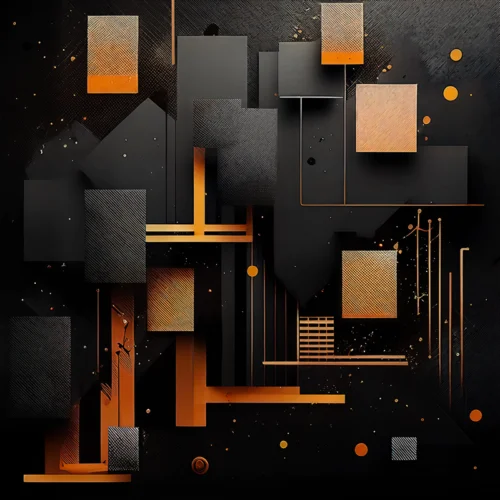
A blank wall can make even a beautifully furnished room feel unresolved. The right artwork changes that feeling at once: color begins to move through the space, a quiet corner gains atmosphere, and the room reveals something of the people who inhabit it. So, are fine art prints worth buying? For those who want more from a wall than generic decoration, the answer is often yes – provided the print carries a genuine artistic point of view and is chosen with intention.
A fine art print is not simply an image reproduced for display. At its best, it is an artist’s considered translation of an original vision: a composition shaped by observation, imagination, process, and material craft. It can bring the emotional force of contemporary art into a home, workplace, hospitality setting, or carefully layered interior without requiring the buyer to be a specialist collector.
Are Fine Art Prints Worth Buying? It Depends on What You Value
The question is less about whether a print is an original object and more about what kind of relationship you want with art. If your aim is to fill an empty space quickly, mass-market décor may satisfy the immediate need. But if you are looking for a work that continues to reveal itself through color, texture, gesture, and mood, an artist-created fine art print occupies a different category entirely.
Fine art prints are worth buying when they offer something singular: a visual language that cannot be reduced to a trend, a palette that shifts the energy of a room, or an image that creates a private emotional reverberation. The work should feel alive in the space. It should hold your attention after the first glance, rather than fading into the background once the furniture is in place.
This distinction matters especially in interiors that have been thoughtfully designed. A strong print can echo the architecture of a room or create a deliberate counterpoint to it. A dark floral against a pale wall can lend drama and intimacy. An abstract full of luminous movement can bring energy to a restrained setting. A multi-panel composition can turn a long wall into a visual experience rather than a surface to be covered.
The trade-off is that meaningful art asks you to look. It may not match every accent color perfectly, and it need not. The most enduring choices are rarely the ones that merely coordinate. They are the works that give a room its own pulse.
What Separates Fine Art Prints From Ordinary Wall Décor
The phrase “fine art print” is used widely, so it helps to look beyond the label. The essential difference lies in authorship and intention. Fine art begins with an artist’s original creative act, whether the source is photography, painting, digital composition, or a fusion of disciplines. The print is the form through which that vision becomes available for collecting and living with.
In photographic and digitally reimagined work, the camera may be only the beginning. A captured moment can be transformed through layers of color, abstraction, texture, and altered perspective until it becomes something more than a record of what was seen. The result is not conventional photography presented on a wall. It is an impression: reality revisited through the artist’s sensibility.
That distinction is particularly compelling for buyers who respond to photography but want the depth and expressive freedom often associated with painting. An image of a bloom, for example, can become a field of saturated color and gesture. A familiar landscape can dissolve into memory. A fragment of light can take on the weight of a mood.
Quality also matters, though it should serve the artwork rather than distract from it. A well-produced fine art print preserves tonal range, detail, and the subtle transitions that give an image dimension. It allows intense color to feel intentional rather than harsh, and dark passages to retain their depth. When the work is thoughtfully presented, the print has presence. It reads as art, not as an enlarged image.
The Value of an Artist’s Point of View
Many buyers begin by asking whether they should choose an original or a print. Originals have a particular allure: they are one-of-one objects, marked by their direct proximity to the artist’s hand. Yet a print can still be deeply connected to the artist’s practice. It carries the composition, the decisions, and the creative intelligence that made the work resonate in the first place.
For contemporary interiors, that connection can be more significant than the medium alone. A room does not become compelling because an object is rare. It becomes compelling when the objects within it speak to one another and to the person who chose them.
Artist-led prints also invite a more expansive approach to collecting. You may be drawn to a sweeping abstract for a central living space, then choose an intimate floral or a quieter, memory-infused work for a bedroom or study. Over time, these choices can create a personal visual vocabulary. The collection does not need to be formal or academic. It simply needs to feel true to your eye.
At Arthur Jacob Impressions, the work begins with lens-based imagery but does not end there. A click becomes a vision and impression, with photography transformed through vivid color, motion, and expressive form. This approach gives each piece a visual immediacy while leaving room for interpretation – a valuable quality in art meant to be lived with every day.
Choosing a Print That Will Keep Giving
A fine art print should not be chosen only from a thumbnail or a passing impulse. Give yourself time with the image. Ask what happens when you look again. Do you notice a different line, a hidden tonal shift, a tension between softness and structure? Does the work make you feel more awake, more settled, more curious?
Scale is equally important. A small work can be jewel-like and intimate, especially in an entry, reading nook, or gallery wall. A larger piece can establish the emotional center of a room. Before deciding, consider the amount of open wall around the artwork, the viewing distance, ceiling height, and the visual weight of nearby furniture. Art needs breathing room. A powerful composition can lose its effect if crowded by too many competing objects.
Color deserves a more intuitive approach than simple matching. Look for a print that either gathers the room’s existing hues into a more vivid whole or introduces a purposeful contrast. A composition dominated by cobalt, crimson, gold, or deep black can become a focal point precisely because it refuses to disappear. In neutral rooms, such work may provide the necessary spark. In richly layered spaces, it can add another register of complexity.
Subject and mood matter, too. Florals can be tender, electric, or mysterious depending on their treatment. Abstracts can offer movement without demanding a literal reading. Diptychs and triptychs create rhythm across a wall, making them especially effective in dining rooms, corridors, reception areas, and spaces where the eye naturally travels. Choose the work that fits the feeling you want a room to hold, not simply the category you believe belongs there.
A Lasting Alternative to Trend-Driven Decoration
Trends are not inherently a problem. They can offer useful visual cues and introduce new ways of seeing a space. But a print chosen only because it resembles what is currently popular may have a short emotional life. Fine art has the potential to outlast that cycle because its value is rooted in your response to it.
This does not mean every purchase must be serious or solemn. Joy is a serious criterion. So is surprise. The right work may make a hallway feel more generous, turn a quiet office into a place of imagination, or give guests something to pause before they speak. Art earns its place not by explaining itself, but by continuing to create an experience.
For designers, fine art prints are also a flexible way to establish a visual identity across a project while preserving character. For homeowners, they can mark a moment of personal taste that cannot be replicated by buying a room from a catalog. In both cases, the work becomes part of the atmosphere – not an afterthought, but an essential note in the composition.
If an image feels merely decorative, keep looking. When you find a print that makes the room feel more like yours before it has even been framed, you have found the reason fine art belongs on the wall.
Leave a Reply