
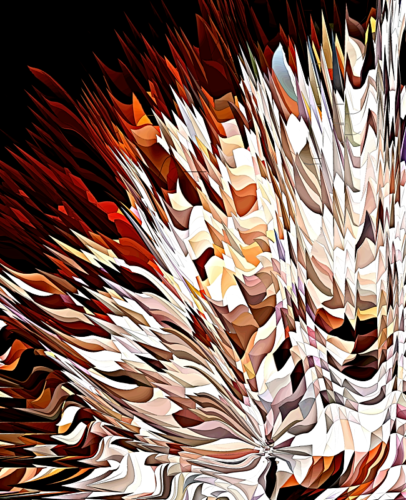
A photograph no longer needs to remain faithful to the instant it was captured. In the most compelling digital photography art trends, the camera is only the beginning: a blossom becomes a burst of pigment, reflected light becomes a field of abstraction, and a familiar place becomes a memory shaped by color and atmosphere. For collectors and designers, this shift has opened a richer visual vocabulary for interiors that deserve more than decoration.
The movement is not about adding effects for their own sake. It is about the artist’s hand, eye, and willingness to reinterpret reality. Digital processes give photographic art the latitude to move between observation and imagination, creating work with the emotional immediacy of photography and the expressive presence of painting.
Photography Is Becoming More Interpretive
For much of photography’s history, its authority rested on what it could document. Contemporary fine art photography is often valued for something else: what it can transform. Artists are using lens-based images as source material, then altering scale, focus, color, repetition, and texture until the final image carries a distinct inner life.
This does not diminish the photograph. It deepens it. A close view of petals, a fragment of weathered architecture, or light moving across water can become the foundation for a work that feels less descriptive and more felt. The resulting print may hold the recognizable trace of its origin, but its greater subject is sensation.
For interiors, this interpretive approach is especially powerful. It gives a room art with enough visual interest to reward a second look while remaining accessible on first encounter. Guests may be drawn initially to a sweep of saturated color or a luminous shape, then begin to notice the photographic detail beneath the surface.
Vivid Color Is Carrying the Emotional Weight
Color remains one of the strongest forces in digital photography art trends. The current direction favors intentional color over literal color: jewel-toned blues, heated oranges, velvety blacks, radiant pinks, and unexpected pairings that make an image feel charged rather than merely pleasant.
In a restrained interior, one richly colored artwork can establish a focal point without asking the entire room to compete. In a maximalist space, color can create continuity across varied furnishings, fabrics, and objects. The difference lies in the composition. Art that uses color with discipline can feel dramatic without becoming noisy.
Black grounds are particularly resonant in contemporary photographic work. Against deep darkness, florals and organic forms take on theatrical clarity. A bloom may appear to float, glow, or emerge from silence. This contrast suits dining rooms, entryways, lounges, and hospitality settings where the art is meant to create a moment of arrival.
Color preference is personal, of course. A collector seeking calm may respond to softened tonal shifts and misted neutrals, while another may want a print that ignites the senses. Neither choice is more refined. What matters is whether the color creates the emotional temperature the room needs.
The return of expressive abstraction
Abstraction is not disappearing from photographic art. It is becoming more tactile, atmospheric, and rooted in the visible world. Rather than abandoning subject matter entirely, many artists allow a photographed detail to dissolve into gesture, rhythm, and layered surface.
This is why abstract photography can work so beautifully in professional interiors. It provides sophistication without imposing a fixed narrative. A viewer can bring their own associations to the work: landscape, weather, movement, memory, or simply a response to form. The artwork stays alive because it does not explain itself all at once.
Motion, Blur, and the Beauty of the Unfixed
Sharpness has never been the only measure of photographic excellence. Intentional blur, multiple exposure, camera movement, and digital layering are now central visual languages in contemporary art photography. They introduce time into a still image.
A blurred branch can suggest wind. A repeated form can imply a passing figure or a changing season. A softened city scene can feel like recollection rather than record. These works speak to the way people actually remember: not as clean files of information, but as fragments of color, movement, and emotion.
For a collector, motion-based imagery brings vitality to still walls. It can soften the hard geometry of contemporary architecture or introduce a sense of flow into a space dominated by straight lines. Yet it depends on placement. In a room already filled with active patterns, a quieter image may offer better balance. Art should create tension only when that tension serves the space.
Botanical Subjects Are Moving Beyond the Decorative
Flowers remain enduring subjects, but contemporary digital photographic interpretations have moved far beyond the expected botanical print. Enlarged crops, altered palettes, dark grounds, and painterly manipulation reveal florals as sensual structures of line, translucency, and energy.
The appeal is immediate, but the strongest floral work does not rely on sweetness. It recognizes the drama within a stem, the architecture of a petal, and the brief brilliance of a bloom. This gives botanical art unusual versatility. It can feel romantic in a bedroom, sculptural in an office, or commanding in a lobby.
A floral image on black often carries a more intimate register than a bright garden scene. It asks the eye to slow down. In contrast, a field of luminous blossoms can open a space and introduce a sense of optimism. The subject may be similar, but scale, background, and color determine the mood.
Multi-Panel Work Is Becoming More Architectural
Diptychs and triptychs continue to gain attention because they do more than fill a wide wall. They introduce pacing. The space between panels becomes part of the composition, allowing an image to unfold across an interior rather than sit within a single frame.
A multi-panel work is especially effective above a long console, behind a reception desk, along a corridor, or across a broad wall where one piece might feel isolated. It can also create a measured relationship between rooms. A diptych may echo the paired forms of a doorway or windows, while a triptych can bring rhythm to a long visual plane.
The trade-off is that scale and spacing matter greatly. Panels placed too close can lose their visual breathing room; panels placed too far apart can feel disconnected. Before selecting a multi-panel composition, consider not only the width of the wall but also the furniture below it, the viewing distance, and the architecture surrounding it.
Digital Photography Art Trends Favor a Distinct Point of View
Technology has made image-making more available, but availability is not the same as authorship. The work that endures is marked by a recognizable sensibility: a way of seeing color, choosing subjects, handling texture, and building a composition that could not have been made by just anyone.
That distinction matters for buyers seeking art with presence. A highly processed image can still feel generic if the decisions behind it are interchangeable. Conversely, a work created through photography and digital manipulation can feel deeply personal when each transformation serves a coherent artistic vision.
At Arthur Jacob Impressions, this philosophy is reflected in artwork that treats the photograph as an invitation rather than an endpoint. The image is reimagined through vivid color, layered texture, and expressive form until a click becomes a vision and impression.
Choosing Art That Will Stay With You
Trends are useful when they reveal new possibilities, not when they dictate what belongs on a wall. A collector may be drawn to expressive abstraction, blurred motion, dark florals, or a multi-panel composition because these forms feel current. The more lasting reason to choose them is simpler: they continue to stir something each time you enter the room.
Look for art that holds its own from across the space, then offers subtle discoveries at close range. Notice whether its colors converse with the interior or give it a needed counterpoint. Let the work be memorable, but also let it leave room for your own associations. The most resonant photographic art does not merely complete a wall. It changes the way a room is felt.
Leave a Reply