
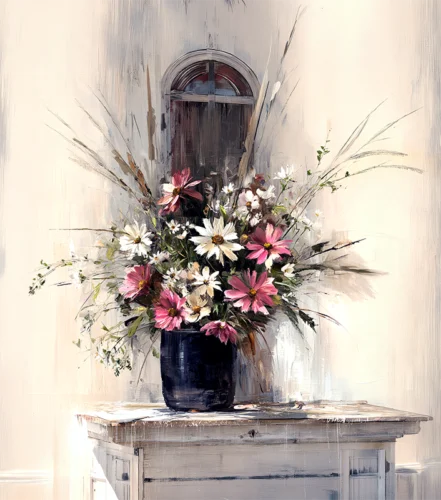
A photograph can preserve what the eye has seen. Digital photo art asks a more evocative question: what did that moment feel like? This guide to digital photo art is for collectors and design-minded viewers who want to recognize the difference between a decorative image and a work that carries atmosphere, movement, and a distinct artistic point of view.
For Arthur Jacob Impressions, the camera is not the final word. It is the beginning of an interpretation. A bloom, an urban fragment, a remembered landscape, or a fleeting gesture of light can be transformed through color, texture, layering, and expressive form until it becomes something more inward and more enduring than documentation.
What Digital Photo Art Actually Is
Digital photo art begins with photographic material, but it does not remain bound to literal representation. The artist may alter color relationships, soften or fracture detail, combine exposures, introduce painterly texture, or reshape the visual rhythm of the image. The result is rooted in the observed world while moving beyond it.
This distinction matters because not every digitally adjusted photograph becomes art. A filter applied for novelty is different from a considered visual language. In fine digital photo art, each intervention serves the image’s emotional direction. Saturated color may heighten a sense of exuberance. Deep black may create intimacy and drama. Blur can suggest memory, velocity, or the impossibility of holding a moment still.
The strongest work retains a tension between recognition and mystery. You may see petals, branches, water, architecture, or a human trace, yet the image resists being exhausted by its subject. It continues to reveal itself as the light changes in a room and as the viewer returns to it over time.
Why the Fusion of Photography and Digital Expression Matters
Traditional photography often asks us to look closely at what is there. Digital photo art can ask us to feel what lies beneath the surface. That expanded range is especially compelling in interiors, where artwork does more than fill a wall. It establishes the emotional temperature of a space.
A high-energy abstract can bring a quiet entryway into focus. A floral composition against a dark ground can lend a dining room sensuality and poise. A luminous, motion-filled image may soften the formality of an office or reception area without losing sophistication. The subject matters, but the visual charge matters more.
There is also a human quality in transformation. Memory itself is not a perfect record. It is selective, colored by feeling, and often sharpened around one vivid detail while everything else dissolves. Digital photo art can echo that experience. Its expressive distortions are not departures from truth so much as invitations to another kind of truth.
How to Recognize a Strong Digital Photo Artwork
The first test is immediate: does the work hold your attention before you have explained it? Fine art often creates a pause. Something in the composition, the color, or the treatment of light asks you to stay with it.
Then look at structure. Even an image that appears spontaneous should have visual discipline. Notice where your eye enters, where it travels, and where it rests. Strong work has a sense of internal order, whether that order is calm and spacious or deliberately kinetic. Cropping, contrast, repetition, and negative space all shape that experience.
Color deserves equal attention. Color is not simply decorative in an expressive photographic work. It is a force that can alter scale, mood, and perceived depth. A field of crimson may feel intimate in one image and theatrical in another. Cool indigo can bring stillness, but paired with electric highlights it may also feel alive with tension.
Finally, consider authorship. Does the work feel interchangeable with hundreds of images you have already encountered, or does it reveal a recognizable sensibility? Collectible art carries evidence of decisions. It feels made rather than generated, shaped by an artist who knows what to leave out as well as what to intensify.
A Guide to Digital Photo Art in Interior Design
When selecting art for an interior, begin with the room’s desired feeling rather than the color of the sofa alone. A close color match can make a space feel orderly, but it can also make the art disappear. Often, the more memorable choice is a work that creates a purposeful counterpoint: rich florals in a restrained room, a dark and contemplative piece against pale walls, or a vibrant abstract that gives a neutral palette its pulse.
Scale changes everything. A small work can invite close looking and personal reflection, especially in a hallway, reading corner, or intimate bedroom. A larger piece can command an open living area, lobby, or conference room with the authority of a visual anchor. Before choosing, consider the full wall rather than only the available blank space. Art needs room to breathe.
Multi-panel works offer another way to shape a setting. A diptych can create conversation between two related moments, with the space between panels becoming part of the composition. A triptych can extend a gesture across a long wall and introduce rhythm without visual clutter. These formats are especially effective when a single image would feel too static or too contained.
Lighting should be part of the decision, not an afterthought. Natural light reveals shifts in surface and color throughout the day, while controlled accent lighting can deepen drama after evening falls. Avoid placing a work where harsh glare prevents it from being seen. The goal is not merely illumination, but presence.
Choosing Art That Lasts Beyond a Trend
It is easy to choose an image because it resembles a current design mood. It is wiser to choose one because it creates a lasting response. Trends can help identify what feels fresh, but they should not replace personal recognition. The right work often has a quality that is difficult to reduce to a style label.
Ask yourself whether you would still want to live with the piece after the room changes. Could it move from one setting to another and continue to speak? Art with emotional range tends to travel well. An abstract rich in movement may feel dramatic above a console today and quietly meditative in a future bedroom. A blossom image may suggest romance in one context and resilience in another.
This does not mean every work must be subdued or universally adaptable. Some of the most powerful choices are unapologetically intense. The trade-off is that expressive art asks for a degree of commitment. If a piece is bold enough to alter a room, it may also require you to let it lead rather than treating it as an accessory.
The Value of Looking Slowly
Digital photo art rewards a different pace of viewing than a screen-sized image. From across the room, you may first encounter its color and overall gesture. Up close, texture, edge, layered detail, and subtle transitions begin to appear. This movement between distance and intimacy gives a work life in a physical space.
When considering a piece, imagine both encounters. Will it make an impression when someone enters the room? Will it offer more when they stand before it? The most satisfying works do both. They ignite the senses at a glance, then hold quieter discoveries for those willing to look longer.
A well-chosen artwork does not need to explain itself immediately. Give yourself permission to respond first to the sensation it creates: a lift of energy, a deep emotional reverberation, a sense of stillness, or the feeling of a place remembered without being named. That response is often the beginning of a collection with real meaning.
Leave a Reply