
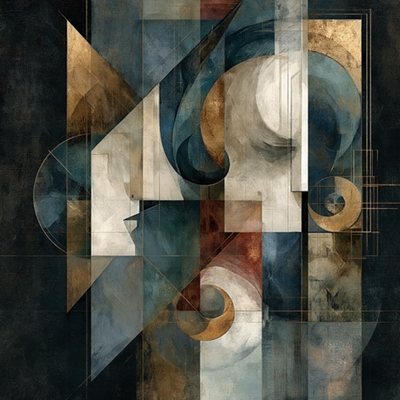
A hotel lobby announces itself before a single word is spoken. The light, the architecture, the hush or hum of movement – all of it creates atmosphere. Yet few elements shape that first impression as powerfully as art, and large contemporary prints for hotel lobby interiors often carry the greatest visual responsibility of all.
When chosen with discernment, oversized artwork does more than fill a wall. It establishes tone, gives the room a center of gravity, and turns circulation space into a memorable experience. In hospitality design, that distinction matters. Guests may forget the exact line of a reception desk, but they remember the image that caught them mid-step and made the space feel composed, intentional, and alive.
Why large contemporary prints for hotel lobby design matter
Scale changes the conversation. A modest piece can be elegant, but in a lobby with soaring ceilings, broad sightlines, and constant motion, small art often recedes into decoration. Large contemporary prints hold their ground. They meet architecture at its own scale and give the interior a sense of confidence.
Contemporary work is especially effective because it feels present rather than nostalgic. It is also a way to echo the crisp geometry of a modern property, soften a severe interior with fluid movement, or bring emotional warmth to a polished commercial setting. The best pieces do not merely coordinate with furniture and finishes. They create a visual pulse that moves through the room.
This is where expressive printmaking has a particular advantage. Artwork that transforms photographic material into something more atmospheric, lyrical, and textural can resonate with a broad range of guests. It feels sophisticated without becoming remote. It invites interpretation, and that openness is valuable in a public-facing space designed for many kinds of visitors.
The role of art in the guest arrival experience
A lobby is both threshold and theater. Guests arrive carrying luggage, expectations, fatigue, anticipation, and sometimes stress. Art can steady that emotional transition. A strong print introduces beauty at exactly the moment when people are orienting themselves, and that visual encounter can subtly shift how the property is perceived.
Color plays a central role here. Saturated blues and layered neutrals can quiet a busy arrival sequence. Crimson, gold, and luminous orange can energize a boutique environment that wants a more dramatic register. Floral abstractions, atmospheric landscapes, and impressionistic compositions each offer a different emotional frequency. The point is not to choose something simply large, but something large enough to affect mood.
There is also a branding function, though the strongest hospitality art rarely feels branded in an obvious way. Instead, it deepens identity through feeling. A coastal resort may lean toward expansive, light-filled compositions with fluid movement. An urban hotel may favor bolder contrasts and sharper compositional tension. In both cases, the art helps guests sense the property before they fully understand it.
Choosing the right visual language
The most successful large contemporary prints for hotel lobby spaces are selected with architecture, audience, and pacing in mind. A dramatic piece behind the reception desk performs differently than a panoramic work seen from the entrance. One acts as a focal point for interaction; the other choreographs the room from a distance.
Abstract and impressionistic works often succeed because they remain compelling from multiple vantage points. Up close, they reveal texture, gesture, and layered detail. From across the lobby, they read clearly as shape, color field, and movement. That dual experience is essential in hospitality spaces where guests encounter the same artwork in passing, while seated, and during check-in.
There is, however, a trade-off. Highly intricate imagery can reward lingering attention but may lose force in a cavernous lobby. Extremely minimal work can look elegant in photographs yet feel underpowered in person if the surrounding materials are already restrained. The best choice depends on how much visual energy the room needs.
For many designers and art buyers, prints rooted in transformed photography offer a particularly rich middle ground. They carry a trace of the real world while moving beyond documentation into interpretation. That balance can make a lobby feel cultivated rather than generic. It suggests vision, not just image sourcing.
Scale, placement, and the architecture around it
One oversized print can be enough, especially when the wall is strong and the sightline is clean. In other lobbies, a diptych or triptych creates better rhythm, particularly across long expanses where a single piece might feel too centralized. Multi-panel works also allow movement to unfold across the wall, which can echo the flow of guests through the space.
Placement should always respect viewing distance. A piece hung in a compressed entry vestibule needs a different internal structure than a work intended to be seen from thirty feet away. Broad gestures, clear contrasts, and strong compositional anchors tend to perform well in larger public environments.
Framing also affects presence. Clean, gallery-style presentation often suits contemporary hospitality interiors because it keeps the work refined and architectural. But the frame should not compete with the print itself. In a lobby, art must converse with stone, wood, metal, upholstery, and light fixtures. It should not become just another loud surface.
Lighting deserves equal attention. Even extraordinary work can fall flat under uneven illumination or glare. Prints with rich tonal variation and luminous color become far more persuasive when lit to reveal depth and surface nuance. Good hospitality art is never only about selection. It is about presentation.
What hotel lobbies need from art now
Many hotel interiors have moved away from predictable decorative formulas. Guests respond more strongly to spaces that feel authored, layered, and emotionally specific. That shift has made room for artwork with more personality and more artistic conviction.
Large-scale contemporary prints answer that need because they can be both polished and expressive. They support a design narrative without feeling staged. They can reference nature, memory, motion, blossom, weather, or abstraction while remaining visually disciplined. In a hospitality setting, that range matters. The work has to appeal immediately, but it also has to withstand repeated viewing.
This is one reason collectible print-based art has gained such traction in professionally designed interiors. When the artist brings a distinctive visual hand – one that reimagines the photographed world through color, texture, and expressive transformation – the result feels less like décor and more like an encounter. Arthur Jacob Impressions approaches art in precisely that spirit, where the image becomes an impression rather than a record.
How designers and art buyers can evaluate a piece
The first question is not whether the print matches the sofa. It is whether it changes the room. Strong lobby art shifts perception immediately. It gives the space emotional architecture.
After that, practical considerations come into play. Does the piece hold attention from across the room? Does it maintain intrigue at close range? Does its palette support the interior without dissolving into it? And just as important, does it feel distinct enough that a guest might actually remember it later?
Originality matters here. Hospitality environments are saturated with images. To stand apart, a print needs more than trend awareness. It needs visual conviction. That may come through unusual color relationships, painterly distortion, layered motion, or a sense of atmosphere that cannot be reduced to a stock aesthetic.
It is also wise to consider longevity. Art chosen only for immediate fashion can date a lobby quickly. Work with a strong point of view tends to age better because it was never trying to be generic in the first place. The goal is not neutrality. The goal is resonance with staying power.
A lasting impression begins on the wall
A memorable hotel lobby rarely depends on grandeur alone. What lingers is the feeling that every element was chosen with intelligence and imagination. Large contemporary prints for hotel lobby spaces help create that feeling by bringing scale, mood, and visual sophistication into one decisive gesture.
When art is selected not as an accessory but as a central act of design, the lobby becomes more than an arrival zone. It becomes a place of pause, recognition, and atmosphere – the kind of space guests carry with them long after checkout.
Leave a Reply