
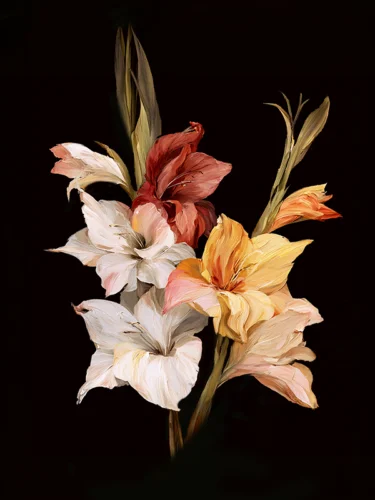
A print can alter the atmosphere of a room in a single glance: a bloom seems to emerge from a dark field, an abstract rhythm energizes a quiet wall, or a softened memory creates a moment of stillness. Yet before color, scale, and placement can do their work, collectors often face a defining choice: limited editions versus open editions. The distinction affects how a work is collected, how it can grow with an interior, and what kind of connection it invites over time.
Neither format is inherently more meaningful. A limited edition may appeal to the collector drawn to rarity and a documented place within an artist’s body of work. An open edition may suit the design-minded art buyer who has found an image that belongs in more than one setting, or who wants the freedom to return to a beloved visual language as a space evolves. The right choice begins with intention rather than convention.
Limited Editions Versus Open Editions: The Essential Difference
A limited edition is produced in a predetermined, finite number. Each print is typically numbered to indicate its sequence within the full edition, such as 12/50, and is signed or otherwise authenticated by the artist. Once the edition is complete, no further prints are made in that edition size and format. This structure gives the work a clear boundary, preserving a defined level of scarcity.
An open edition has no fixed production limit. The artist may continue offering the image over time, allowing more collectors to live with the work. Open does not mean casual, generic, or mechanically decorative. An artist-created open-edition print can still carry the same intentional composition, archival care, expressive color, and visual authority as any other work. Its difference lies in availability, not in artistic origin.
For a photographer and digital artist, this distinction can be especially nuanced. An image may begin with a photograph, but through transformation, layering, motion, texture, and tonal reimagining, it becomes something beyond documentation. The edition format does not determine whether that transformation is compelling. It shapes how the finished impression enters the world.
Why Limited Editions Hold a Distinct Appeal
Limited editions speak to collectors who value the intimacy of a finite work. Knowing that only a defined number of impressions will exist creates a particular kind of presence. The print feels connected to a specific moment in the artist’s practice, preserved rather than endlessly repeated.
This can be particularly resonant for an artwork with a singular emotional charge: a luminous floral composition, an atmospheric abstraction, or an image whose movement and shadow seem to shift with the light. In a private collection, the edition number becomes a quiet part of the object’s story. It marks the work as one of a known few, while the artist’s signature affirms its direct relationship to the source.
Limited editions also bring clarity for collectors building a focused body of art. If the goal is to acquire works that reflect a particular artist, period, collection, or visual sensibility, editioned prints offer a useful framework. They encourage discernment. Rather than filling walls quickly, the collector may choose a smaller number of images with lasting emotional and aesthetic resonance.
There are trade-offs. A finite edition can mean that a preferred image is no longer available at a later date, particularly once a certain size or presentation has been completed. It may also ask a buyer to decide sooner, before a room has fully taken shape. For some collectors, that sense of finality is part of the attraction. For others, it can feel unnecessarily restrictive.
The Freedom and Reach of Open Editions
Open editions offer a different form of generosity. They make it possible for an image to continue finding its audience, whether that audience is a first-time art buyer, a longtime admirer, or a designer seeking continuity across a larger project. The work remains accessible without sacrificing the artist’s point of view.
This flexibility is especially valuable in interiors where art must respond to scale and rhythm. A designer may discover that one expressive print belongs above a console in a residence, while a related image from the same visual world would bring coherence to a hospitality setting or professional office. An open edition allows a collection’s visual vocabulary to extend naturally across rooms and projects.
For the individual buyer, open editions can also make room for confidence. You may begin with one piece that catches the eye immediately, then return later for a companion work, a larger presentation, or a multi-panel arrangement that deepens the original conversation. This is not repetition for its own sake. It is the opportunity to let a meaningful image become part of a wider environment.
Open editions are often ideal when the artwork’s primary role is transformative display. A richly colored abstract can become the visual center of a living room. Blossoms against black can bring drama and intimacy to an entryway. A triptych can establish movement along a long wall. In each case, the work is selected for what it makes possible in the space: emotion, contrast, visual rhythm, and a more distinctive sense of place.
How to Choose the Right Edition for Your Space
The most useful question is not, “Which edition is better?” It is, “What do I want this artwork to mean in my life and my interior?” A collector seeking a finite connection to a specific image may feel drawn to a limited edition. Someone furnishing a layered, evolving home or managing several design environments may find that an open edition better supports the way they live and work.
Consider the artwork’s role. If it is intended as a focal point in a room built around one unforgettable image, the finite nature of a limited edition may heighten its significance. If the work will establish a color story across several spaces, complement existing pieces, or remain available for future projects, an open edition may offer the practical freedom you need.
Scale matters as much as edition type. A small print can feel intimate, drawing the viewer close to its surface and detail. A larger work can make color and gesture palpable from across the room. For diptychs and triptychs, consider the wall as a field rather than a blank backdrop. The intervals between panels become part of the composition, creating pauses that allow movement to unfold.
It also helps to think beyond matching. Art need not echo every fabric, finish, or accent in a room. Often, the strongest piece introduces a note of tension: saturated color against restrained architecture, organic forms among clean lines, or a dark, velvety ground that gives a bright interior greater depth. Choose a work because it changes the room’s emotional temperature, not because it simply fits its palette.
Collecting the Image, Not Just the Edition
Edition information is meaningful, but it should not eclipse the encounter with the work itself. Before considering scarcity or future availability, pause with the image. Does its color continue to reveal new notes? Does its movement feel alive rather than merely decorative? Can you imagine it changing the experience of entering a room, sitting at a table, or looking up from a day’s work?
The most enduring art choices begin with that response. A limited edition can offer the pleasure of rarity and a defined place in an artist’s output. An open edition can offer continuity, versatility, and the freedom to bring a favored vision into more corners of life. Both can be collected with seriousness, displayed with sophistication, and lived with for years.
At Arthur Jacob Impressions, the image remains at the center: photography reinterpreted through imagination until a click becomes a visual impression, alive with texture, motion, and emotional reverberation. Let the edition format support your intention, then choose the work that makes the wall feel less like a surface and more like a moment worth returning to.
Leave a Reply