
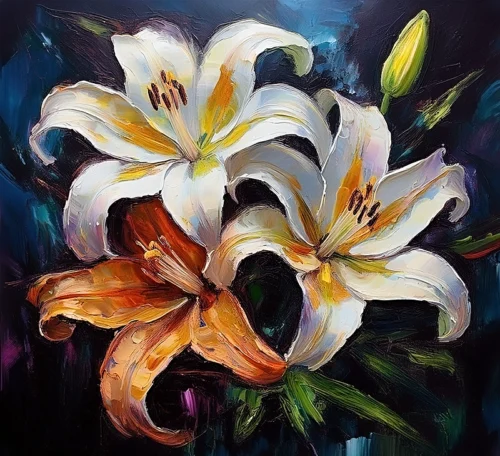
A fine art print rarely enters a room as a neutral object. It arrives with atmosphere: a field of luminous color, an unexpected gesture of motion, a floral form suspended against black, a memory reimagined through texture and light. For collectors and designers, price point trends for purchasing fine art prints are therefore not only about the act of buying. They reveal how people are choosing visual experiences that feel original, enduring, and deeply connected to the spaces they inhabit.
The most compelling shift is not toward art as a quick decorative finish. It is toward art as a defining presence. Buyers are looking beyond the familiar image that simply fills an empty wall. They want work that creates a focal point, changes the emotional temperature of a room, and continues to reward attention after the first glance.
Fine Art Print Buying Is Becoming More Intentional
The contemporary print buyer is often guided by two instincts at once: the desire for a meaningful visual connection and the practical need for a work that belongs in a particular interior. Those instincts have moved fine art prints into a more considered place within residential and professional design.
A single photograph may be beautiful, but a fine art print becomes more resonant when it carries an artist’s point of view. This distinction matters. A work shaped through photographic observation and digital transformation has the capacity to move beyond documentation. Color becomes more expressive. A blossom becomes less botanical and more atmospheric. A passing moment becomes an impression with its own visual language.
As buyers become more visually literate, they are increasingly attentive to this sense of authorship. They recognize when a work has been made from an inner vision rather than assembled from a passing trend. That recognition influences how they assess a print’s place in their collection, even when they are selecting their first substantial work of art.
What Price Point Trends for Purchasing Fine Art Prints Reveal
The clearest trend is a growing preference for discernment over abundance. Rather than accumulating many interchangeable images, buyers are often drawn to fewer pieces with stronger identity. In a living room, entryway, office, or hospitality setting, one arresting work can carry more presence than a wall crowded with decoration that says very little.
This is especially true for art with vivid color, layered texture, and expressive form. Such work does more than coordinate with furnishings. It introduces tension, rhythm, and emotional depth. An abstract may bring movement to an otherwise quiet room. A floral image can feel contemporary rather than sentimental when its colors are heightened and its forms are pushed toward the dreamlike. A black-ground composition can create drama while retaining a sense of elegance.
The result is a more sophisticated understanding of value. Buyers are weighing artistic authorship, visual impact, craftsmanship, and the ability of a piece to remain alive in a space over time. They are not merely asking whether an image matches a sofa. They are asking whether it can hold its own as the room changes around it.
Originality Has Become a Stronger Signal
Mass-produced wall decor is designed to be broadly agreeable. Fine art is not required to be agreeable in the same way. Its power may come from an unusual crop, a heightened palette, a blur that suggests memory, or an abstracted form that resists immediate explanation.
That slight resistance is often where the connection begins. A distinctive print gives viewers something to return to. It can echo the colors of an interior without becoming predictable, and it can introduce a personal sensibility that a polished but generic image cannot provide.
For collectors, originality is not limited to owning something unfamiliar. It is the feeling that the artist has truly seen the subject differently. In Arthur Jacob Impressions, the lens becomes a starting point rather than a final record. Each transformation asks the viewer to encounter reality through color, motion, and imagination.
Presentation Is Part of the Artwork’s Presence
Buyers are also giving greater attention to how a work is presented. Scale, paper, finish, framing, and placement are no longer afterthoughts because they alter the way an image is perceived. A print that feels intimate at one scale may become immersive at another. A restrained treatment can heighten a delicate composition, while a more substantial presentation may give an energetic abstract the visual authority it requires.
This is not simply a matter of making art look finished. Presentation creates context. It determines whether a work reads as a passing accent or as a lasting part of the architecture of a room.
For interior designers, this has particular significance. A print may need to converse with stone, wood, textiles, lighting, and negative space. It may need to soften a structured corporate interior, bring expressive warmth to a hospitality setting, or give a private residence a visual signature that cannot be replicated from one room to the next.
Scale Is Shaping the Contemporary Art Purchase
The movement toward more intentional art has also encouraged buyers to think in terms of visual proportion. A small work can be exquisite, especially in a quiet corner, a layered shelf display, or an intimate passageway. Yet many interiors call for art that can command distance and create a moment of arrival.
Larger-scale work has a particular ability to alter a room’s emotional register. It can make color feel architectural. It can turn a simple wall into a destination. When the subject is expressive enough, it does not need elaborate surroundings to be felt.
Multi-panel compositions offer another response to this desire for presence. Diptychs and triptychs create rhythm across a wall, allowing the eye to move between related images or forms. They can bring structure to an expansive space while preserving the poetic openness of the individual panels. In interiors where one large statement is desired but visual variation is equally important, these works create a compelling balance.
The right scale depends on the room and on the viewer. A dramatic work may be exactly what an airy foyer needs and too forceful for a contemplative bedroom. A quieter print may offer relief in a richly layered space but disappear in an open commercial setting. Thoughtful selection begins with that tension rather than following a formula.
The Emotional Return Matters More Than the Immediate Match
A well-chosen fine art print should not exhaust itself on first viewing. Its colors may shift with morning light and evening shadow. Its movement may feel exuberant on one day and meditative on another. This changing relationship is part of what makes art feel collectible.
Design-conscious buyers are increasingly choosing pieces that create an emotional return. They may be drawn first to a saturated bloom, a rush of painterly abstraction, or a fragment of landscape transformed almost beyond recognition. Over time, they discover subtler elements: a textural edge, a softened detail, a hidden compositional balance.
That depth matters in a culture accustomed to rapid visual consumption. Art offers a counterpoint. It asks for pause. It gives a room a center of gravity that is not based on utility alone.
Choosing With a Collector’s Eye
A collector’s eye does not require formal training. It requires attention to what feels specific. Ask whether the work has a distinct visual voice. Notice whether the composition remains interesting when viewed from across the room and again from close range. Consider whether the color creates the mood you want to live with, rather than merely echoing what is already there.
It also helps to imagine the work after the room evolves. Furniture moves. Walls are repainted. A home changes with the people who live in it. Art with genuine character can travel through those changes because it contributes more than coordination. It contributes identity.
For a designer, this means selecting work that completes a larger narrative without becoming overly literal. For an individual buyer, it may mean trusting the image that produces an immediate, unmistakable response. Both approaches can lead to the same result: a room that feels less furnished and more deeply composed.
The most satisfying fine art print is often the one that continues to reveal itself. Let the work that catches your attention also ask something of your imagination. That conversation, held quietly across a room, is where a print becomes part of your life.
Leave a Reply