
A single artwork can hold a wall. A considered sequence can shape the entire room. Wall art sets bring separate images into conversation, creating a visual rhythm that carries the eye across an entry, above a sofa, through a corridor, or behind a reception desk. The effect is not simply decorative. When the works belong together, they create atmosphere, movement, and a sense that the interior has been composed rather than merely furnished.
For collectors and design-minded homeowners, the appeal lies in both presence and possibility. A diptych can introduce a quiet tension between two related views. A triptych can expand a gesture, a bloom, or an abstract field into something cinematic. Larger groupings can turn an open wall into a sustained experience of color, texture, and imagination.
Why Wall Art Sets Feel More Intentional
A set gives an artwork room to breathe beyond the boundaries of one frame. Rather than asking a single image to carry every visual note, multiple panels can develop an idea over time. A horizon may shift. Petals may seem to unfurl. An energetic abstraction may move from density to release. The eye reads continuity while still finding a distinct moment in each panel.
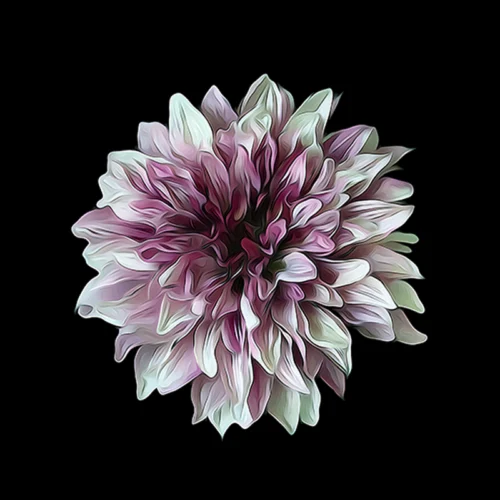
This is especially compelling in Arthur Jacob Impressions, where photography is reimagined through digital transformation. The result is not documentation in a conventional sense, but an impression of a subject: vivid color suspended in motion, form softened into atmosphere, familiar details becoming something newly felt. In a multi-panel arrangement, that approach becomes even more resonant. Each image is complete, yet the space between images becomes part of the composition.
That negative space matters. It creates a pause, much like silence between musical phrases. Frames should not be crowded together in an effort to make several works feel like one large print. A little distance allows each panel to retain its identity while preserving the relationship that makes the set compelling.
Wall art sets also solve a common design challenge: how to give a substantial wall visual weight without resorting to a single oversized statement. This is not always the right solution. One monumental piece can be extraordinary where a room needs focus and stillness. But a series often feels more alive in spaces that invite movement, conversation, and repeat viewing. Hallways, dining rooms, long walls, stair landings, and hospitality interiors are natural settings for this unfolding visual language.
Choose the Mood Before the Arrangement
The strongest art selections begin with feeling, not dimensions. Before measuring the wall, consider what the room should evoke when someone enters it. A set of luminous florals may bring softness and vitality to a composed bedroom. Blossoms against black can introduce drama and contrast, making a dining space feel more intimate after sunset. Abstract works may animate a contemporary office or living room with layers of color and expressive gesture.
This does not mean every element must match. Art becomes less memorable when it simply repeats the room’s palette. A wall art set can echo an existing color while introducing a more saturated variation, a darker counterpoint, or a surprising accent. In a neutral interior, vivid work can become the room’s emotional center. In a richly layered space, a quieter series may offer relief and clarity.
There is also a difference between harmony and sameness. A cohesive set may share a palette, subject, visual texture, or sensibility, but it should avoid feeling mechanically repeated. Look for variation within a shared world: one panel with concentrated color, another with open space; one image with a sharp architectural rhythm, another with a more fluid gesture. This exchange keeps the work alive.
Let the Architecture Suggest the Format
The wall itself often reveals the best configuration. A broad horizontal expanse above a sofa or credenza welcomes a diptych or triptych with a lateral flow. A narrow vertical wall may call for a stacked pair, allowing the eye to travel upward and lending height to the room. Long corridors can hold a measured progression of related works, transforming a pass-through into a gallery-like passage.
Scale deserves particular attention. Artwork that is too small for a wall can seem apologetic, no matter how beautiful the image. Above furniture, the full arrangement should generally feel proportionate to the piece beneath it rather than floating as an isolated cluster. In a room with tall ceilings, a vertical sequence can honor the architecture. In a compact room, a carefully scaled pair can offer impact without overwhelming the space.
The trade-off is intimacy. Larger panels create immediate presence from across the room, while smaller works invite closer inspection and can feel more personal. Neither is inherently superior. The choice depends on viewing distance, ceiling height, furniture scale, and the role art is meant to play in the room.
Creating a Sequence That Holds the Eye
A multi-panel work should be hung as a composition, not as individual pictures that happen to share a wall. Start by establishing the center of the entire grouping. This is particularly useful above furniture, where the arrangement should feel connected to the room’s anchor rather than suspended too high in empty space.
Then consider the intervals between panels. Consistent spacing usually creates the most polished result, particularly for images designed as a diptych or triptych. The exact distance can vary with the scale of the prints and the surrounding architecture, but visual consistency is more important than a rigid formula. Step back several times while planning. A set must read from the doorway as well as reward attention from nearby.
Sequence can be literal or intuitive. Some works naturally progress from left to right, with movement, color, or subject matter leading the eye across the panels. Others work through balance: a darker image at one end may be answered by a denser or more luminous work at the other. If the series is abstract, trust the energy of the arrangement. A composition that feels slightly off at first glance often is.
Frame treatment plays a supporting role. Matching frames give a set architectural unity and allow the imagery to lead. A more restrained frame can be especially effective with complex, colorful, or highly textured artwork, preserving focus on the image itself. Yet a setting with traditional materials or layered character may invite a frame with greater presence. The aim is not to erase the frame, but to make it feel inevitable.
Consider Light as Part of the Artwork
Light changes art throughout the day. Morning may reveal one color relationship; evening may draw attention to another. Before final placement, observe how natural light moves across the wall and where lamps or dedicated picture lighting will fall. A series with depth, contrast, and rich tonal variation can reward changing light, but glare can flatten an image and interrupt its effect.
Professional interiors need the same consideration. In a lobby, conference room, or hospitality setting, a wall art set often becomes a point of orientation and a quiet signal of identity. Work with strong color and movement can animate a polished environment without making it feel generic. In spaces where people linger, a multi-panel installation offers more to notice over time than a single glance can contain.
When a Set Is Not the Answer
A series is powerful, but it should not be a default. If a wall is narrow, heavily interrupted by windows, or already surrounded by strong architectural detail, one carefully selected work may make a clearer statement. Likewise, a room with many competing patterns may need a singular visual pause rather than additional repetition.
The question is not whether a wall is large enough for multiple pieces. It is whether the room has a story that benefits from continuation. Wall art sets are at their best when they create a cadence: a return of color, a progression of form, a visual echo that gives the room a deeper emotional register.
Choose the work that you will want to look at after the room is quiet. Let it bring not only color to the wall, but a lingering sense of motion, memory, and possibility.
Leave a Reply