
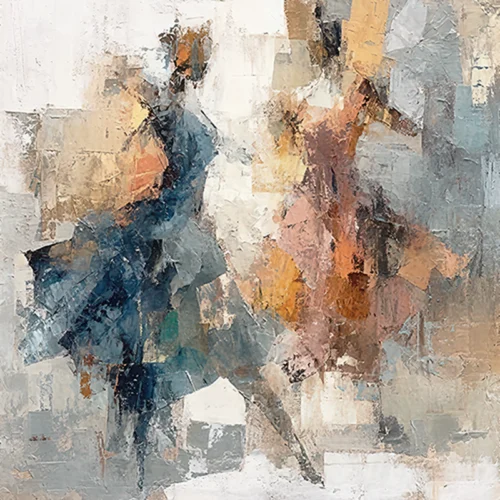
A room can be technically perfect and still feel uninhabited. The furniture may be tailored, the palette resolved, the lighting considered, yet the space remains quiet in the wrong way. Expressive photographic abstract artwork changes that condition. It does not simply fill a wall. It introduces atmosphere, rhythm, and emotional temperature through imagery that has moved beyond description into interpretation.
This distinction matters. Conventional photography often asks to be read as record – a place, a subject, a moment seen and preserved. Abstract photographic work asks for something more sensory. It begins with the camera, but it does not end there. Through motion, layering, contrast, digital reworking, and a disciplined sensitivity to composition, the image becomes less about what was in front of the lens and more about what the artist perceived, felt, and chose to reveal.
For collectors and design professionals, that shift is precisely where the work gains its lasting pull. A representational image can be charming, even striking, but expressive abstraction tends to remain active over time. It changes with light. It meets the viewer differently from across the room than it does at close range. It can anchor an interior without dictating a literal story. That flexibility makes it especially compelling in spaces where art must do more than decorate.
Why expressive photographic abstract artwork feels different
The emotional force of this work comes from tension between the familiar and the unknown. Somewhere inside the composition there may be a trace of blossom, landscape, architecture, water, or gesture, but it has been transformed. Color may intensify beyond natural expectation. Movement may blur edges into energy. Texture may suggest brushwork even when the origin is photographic. The result is a visual language that feels immediate rather than explanatory.
That immediacy is one reason abstract photographic prints work so well in residential and professional interiors. They offer mood without becoming overly prescriptive. In a home, the right piece can soften a minimalist room or bring needed dynamism to a restrained palette. In a hospitality setting, it can create a more memorable atmosphere than predictable decorative imagery. In an office or reception space, it can signal discernment and creative confidence without relying on obvious symbolism.
There is also a practical sophistication to this kind of art. Because it does not depend on literal subject matter, it often integrates more gracefully into evolving interiors. A room may change around it – textiles, furnishings, finishes, even function – and the artwork still holds its authority. That is not because abstract work is neutral. It is because strong abstraction is open, and openness gives it staying power.
The art of transformation, not documentation
At its best, expressive photographic abstract artwork is not an effect layered onto a photograph. It is a reimagining of source material into a new visual experience. That difference is crucial. Decorative filters can flatten an image into style alone. Fine art transformation demands judgment – where to intensify, where to obscure, where to let form dissolve, and where to let structure remain.
This is why serious photographic abstraction often carries a painterly presence while retaining the optical intrigue of the camera. Light still matters. So does framing. But the final work is no longer tied to the expectations of straight photography. It enters the realm of impression and interpretation, where mood, movement, and emotional resonance take precedence over factual clarity.
That process is deeply appealing to viewers who want art with both contemporary edge and human warmth. Purely conceptual abstraction can sometimes feel remote in certain interiors. Traditional photography can sometimes feel too fixed. Expressive photographic abstraction occupies a more nuanced space between the two. It preserves the vitality of the seen world while allowing imagination to reshape it.
For a collector, that can mean living with a work that never feels exhausted. For an interior designer, it can mean specifying a piece that performs on multiple levels – as focal point, color architecture, and emotional counterpoint. For a homeowner choosing a statement work, it can mean finding something personal without being obvious.
How expressive photographic abstract artwork shapes a room
Some art completes a room. Some art creates it. The strongest abstract photographic pieces often belong in the second category. They establish visual gravity. They can direct the eye through a large wall, give scale to a quiet space, or set a tonal register that everything else follows.
Color is often the first element people notice, and rightly so. Vivid reds, electric blues, saturated florals, inky blacks, and luminous neutrals each affect the body before they are intellectually processed. A print built around bold chromatic energy can animate a space that feels too controlled. A work with layered dark tones can add sophistication and intimacy. Soft transitions can calm a room without draining it of character.
Motion is equally influential. Images that suggest sweep, drift, fracture, or bloom bring a sense of life to interiors that might otherwise feel static. This can be especially useful in rooms with strong architectural lines or highly edited furnishings. The artwork introduces movement where the design language is otherwise precise.
Scale and format matter as well. A single commanding piece can hold a dining room, entry, or executive office with remarkable clarity. Multi-panel works create a different cadence. Diptychs and triptychs allow an image to breathe across a wall, offering both continuity and interruption. That structure can feel particularly elegant in larger spaces where one frame would seem isolated and a gallery arrangement would feel too fragmented.
Still, there is no universal rule. A richly layered abstract may be ideal for a grand living area but too intense for a bedroom intended for retreat. A high-energy composition may bring brilliance to a hotel lounge but compete with the atmosphere of a contemplative office. The best placement always depends on the emotional register the room needs.
What to look for when choosing a piece
First, look for work that holds you past the initial glance. Strong expressive abstraction often makes an instant impression, but it also rewards slower looking. You may notice a hidden structure beneath the color, or a photographic trace beneath the gesture. That layered experience is part of what gives the work longevity.
Second, consider whether the piece contributes mood or merely matches a palette. Coordination has its place, but memorable interiors rarely emerge from color matching alone. The artwork should bring a point of view. It should deepen the room rather than simply echo it.
Third, pay attention to how the image handles tension. The most compelling abstract photographic art usually balances energy with restraint. Too much control and the work can feel mannered. Too much chaos and it may lose coherence. The eye wants both surprise and order.
This is where artist-driven work distinguishes itself from generic décor. A signature visual language carries intention. You can sense when a piece has been composed, revised, and resolved rather than merely styled. Arthur Jacob Impressions centers that very idea – the photograph as a starting point for a more evocative visual impression, shaped into collectible wall art with presence, depth, and emotional charge.
Expressive photographic abstract artwork and lasting appeal
Trends move quickly through interiors. One season favors quiet minimalism, another saturated maximalism, another organic softness. Work with genuine expressive force can move across those shifts because it is not built on trend logic alone. It is built on visual conviction.
That does not mean every piece belongs everywhere. Some interiors ask for restraint. Others can sustain theatrical color and dramatic movement. Some viewers want abstraction that whispers. Others want work that arrives with full intensity. The point is not to choose the boldest image, but the most resonant one.
The strongest pieces do something rare. They remain sophisticated enough for a curated setting and emotionally direct enough for everyday living. They can stand in a gallery environment, yet they also belong in the places where people gather, pause, work, and reflect. That balance is part of their value as art for real interiors.
When a photographic image is transformed with sensitivity, vision, and formal control, it stops behaving like a record of what was seen. It becomes an experience of what was felt. That is why this category continues to captivate discerning buyers. It brings the authority of fine art and the vitality of contemporary design into the same frame.
If a space feels finished but not yet alive, the answer is not always more furniture, more styling, or more color. Sometimes it is a single image that changes the emotional weather of the room and keeps revealing itself long after the wall has been hung.
Leave a Reply