
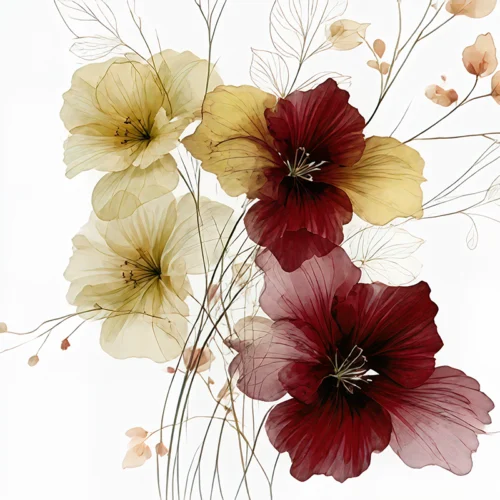
A room can be beautifully furnished and still feel unfinished. Often, what is missing is not another object, but a visual experience with enough presence to slow the eye, shift the mood, and make the space feel distinctly lived in. The most lasting wellness art benefits arise here: art gives an interior an emotional center, inviting a quieter, more attentive relationship with the place we inhabit.
For collectors, designers, and homeowners, this is not a claim that a single print can solve the pressures of daily life. It is a recognition that visual surroundings influence how a room is received. A work of art can offer a moment of color, stillness, memory, or imaginative departure each time it comes into view. That repeated encounter is part of what makes art a meaningful element of personal well-being.
Wellness Art Benefits Begin With Visual Attention
Much of modern life competes for attention in urgent, fragmented ways. Fine art asks for a different kind of looking. A richly layered floral, a moving abstract composition, or an image transformed beyond literal photography can hold the gaze without demanding an answer. There is room to notice the gesture of a line, a field of saturated color, a delicate shift in texture.
That visual pause matters. It creates a counterpoint to rooms dominated by screens, schedules, and constant utility. Unlike décor chosen only to fill a blank wall, original art can become an occasion for return. Its meaning may not be fixed on the first viewing. Light changes across the day. A familiar color reveals a new relationship to a nearby chair, rug, or window. The work remains active because the viewer remains active.
This is especially compelling with art that reinterprets reality rather than merely records it. When photography moves through digital transformation, it can retain the pulse of an observed moment while opening into something more atmospheric and personal. The result is not simply an image of a flower, landscape, or memory. It is an impression that allows the imagination to participate.
Color Can Shape the Emotional Temperature of a Space
Color is often the first language a room speaks. Deep blues and softened neutrals can lend an atmosphere of reflection. Luminous gold, crimson, or vivid botanical tones may bring energy and warmth to an otherwise restrained interior. Black-grounded floral work can create drama and focus, allowing blossoms and color to feel almost illuminated from within.
The goal is not to assign a universal emotion to every hue. Personal history plays a significant role. One viewer may find a brilliant red invigorating; another may experience it as too insistent for a bedroom or a quiet reading space. Wellness is not achieved by following a color formula. It comes from choosing work whose visual intensity suits the rhythms of the room and the people who use it.
In hospitality settings, reception areas, and professional interiors, color can also establish a memorable sense of arrival. A strong statement piece gives visitors an immediate point of orientation. It tells them that the environment has been considered, not merely assembled. In a residence, that same quality can make an entryway feel more intimate and assured.
The Right Scale Gives Art Room to Breathe
Scale is inseparable from impact. A small work can be exquisite, particularly in a focused grouping or an intimate passage, but it may disappear above a large sofa or within an expansive lobby. Conversely, an oversized piece in a compact room can feel immersive and transporting, or it can overwhelm the space. It depends on the composition, surrounding furnishings, and amount of visual activity already present.
Multi-panel work offers another possibility. A diptych or triptych introduces rhythm across a wall, allowing movement to unfold in sequence. It can echo the proportions of a long dining table, extend the visual line of a hallway, or create a composed focal point over a bed. The intervals between panels become part of the artwork’s language, lending the room a sense of breath and continuity.
Art Creates Personal Rituals of Return
The most resonant interiors do not look as though they were completed in one afternoon. They accumulate gestures of recognition. A favorite artwork can become one of those gestures, seen while making coffee, returning from work, welcoming friends, or settling into the evening.
This familiarity is one of the quieter wellness art benefits. Art can mark a transition between the public pace of the day and the private atmosphere of home. A composition filled with motion may feel enlivening in a creative studio. A contemplative abstract may offer a steadier presence in a bedroom. Neither response is more valid. What matters is that the work creates a genuine connection rather than performing a trend.
For that reason, choosing art purely to match a paint color can be limiting. Coordination has value, but a room gains more depth when the artwork introduces its own point of view. A vivid print may draw out an undertone already present in the textiles. An unexpected palette may make a neutral interior feel deliberate rather than cautious. The strongest selections often harmonize with a room without disappearing into it.
A Distinctive Image Gives an Interior Identity
Mass-produced wall décor can make an empty wall look occupied. Art with an individual visual voice can make the room feel authored. That difference is felt in the relationship between image, material, scale, and placement. It is also felt in the sense that the piece came from an artist’s particular way of seeing.
Arthur Jacob Impressions approaches the photographic image as a starting point for transformation. Lens-based observations move through color, texture, motion, and expressive form until they become something more painterly and unexpected. For an interior, this creates a rare balance: the work carries the tactile suggestion of the world while remaining free to become dreamlike, gestural, or boldly abstract.
Such work can serve both the collector looking for a lasting visual relationship and the designer seeking a defining element for a larger scheme. It offers enough sophistication to hold its own in a curated setting, while its emotional immediacy makes it accessible without requiring specialized art knowledge.
Consider Placement as Part of the Experience
Placement affects not only how art looks, but how often it enters daily life. A piece in a formal dining room may be enjoyed most during gatherings. A work near a desk can provide a momentary visual reset during concentrated tasks. Art placed opposite a favorite chair becomes part of a private ritual of looking.
Lighting deserves equal consideration. Natural light can reveal changing nuances in a print, though direct and prolonged sunlight may not be ideal for every work. Thoughtfully placed ambient or picture lighting can heighten color and texture after dark, preserving the artwork’s presence when the rest of the room recedes.
The surrounding wall should not be treated as a blank afterthought. Space around a piece gives it authority. In a gallery-inspired interior, restraint can make a single expressive work feel more commanding than a crowded arrangement. Yet a salon-style grouping can be equally effective when the works share a visual conversation, whether through palette, subject, or energy.
Choosing Art for Well-Being Without Reducing It to a Formula
There is a temptation to make every design decision instrumental: select this color for calm, this subject for focus, this style for energy. Those ideas can be useful starting points, but art is more mysterious than a prescription. A work’s value may lie in its ambiguity, its intensity, or even its ability to unsettle a predictable room in a productive way.
Ask instead whether you want the space to feel contemplative, animated, intimate, expansive, or memorable. Notice which images you continue to think about after you have looked away. Consider whether the work has enough complexity to reward repeated viewing and enough clarity to remain compelling at a distance.
The best choice is often the piece that creates an immediate response while leaving something unresolved. It may recall a place without describing it, suggest a flower without becoming botanical illustration, or turn a fleeting photographic moment into a field of visual feeling. Give that work a place where it can be encountered often. Over time, it may become not just part of the room, but part of how the room feels to come home to.
Leave a Reply